
Construction
 Construction
A construction site file that keeps up with the work.
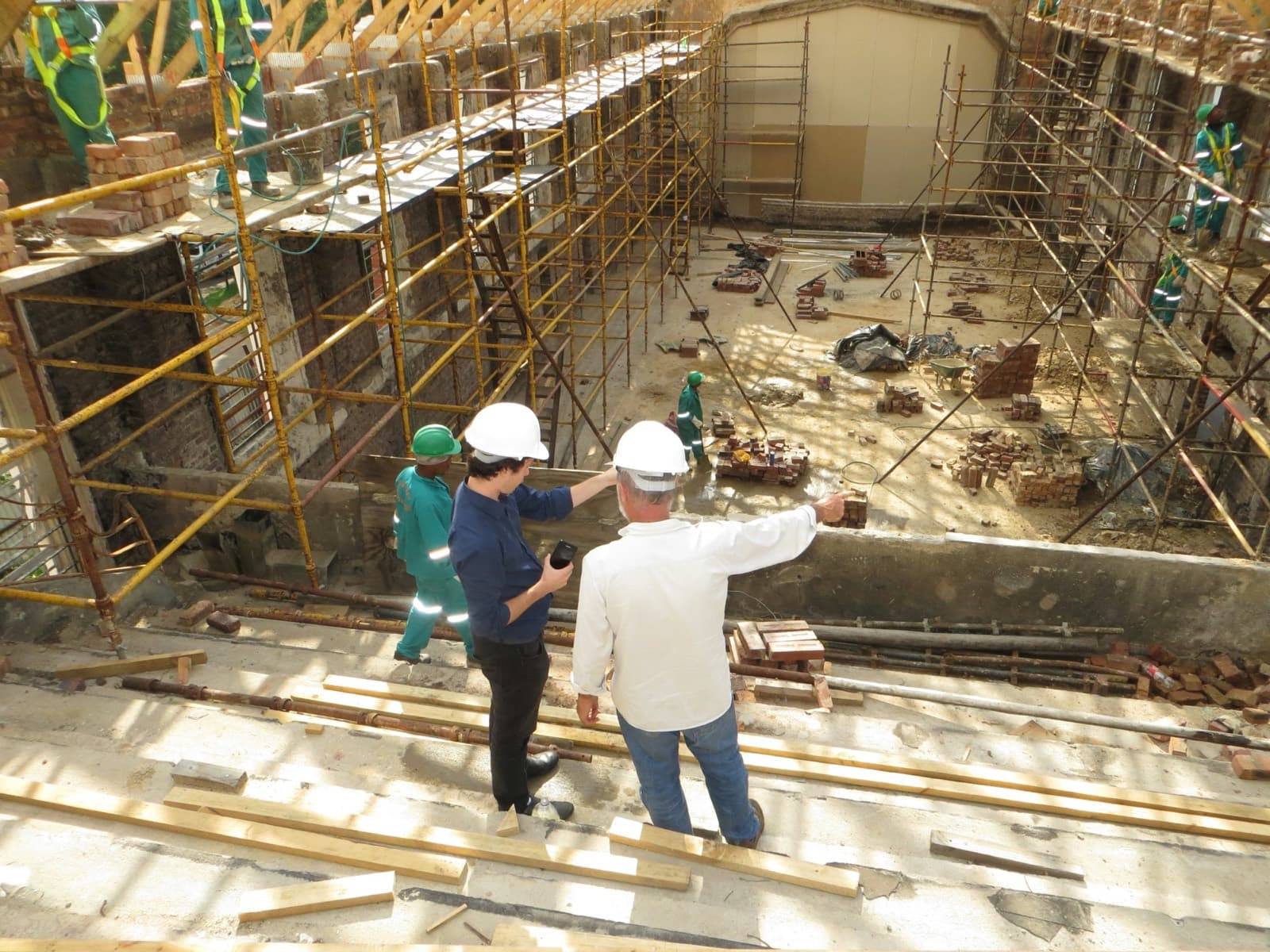
Construction sites change every week: new contractors, new levels, new excavations. The Construction Regulations expect the paperwork to keep pace, from the permit and the health and safety plan to the inspections done every day.
Where it goes wrong
The hazards that come up most on construction work, and where the daily checks matter.
- Falls from height, open edges and roof work
- Excavations and trench collapse
- Scaffolding erected, altered or used incorrectly
- Cranes, construction vehicles and mobile plant
- Many contractors on one site, with crews that change often
- Hot work, temporary electrics and fire
What the law asks
A summary of the main requirements, taken from the Act and Regulations themselves, with links to the official text.
Last reviewed 8 October 2026. Guidance, not legal advice.
Draft regulations to replace the Construction Regulations, 2014 were published for public comment in March 2025. This page reflects the 2014 Regulations; check the current position before relying on it.
Before work starts
The client must apply for a construction work permit at least 30 days before work starts if the work will last more than 180 days, involve more than 1800 person days, or the contract is worth R13 million or more (or CIDB grade 6). The site number must be displayed at the main entrance.
CR 3(1), 3(4)
For other work, the contractor must notify the provincial director at least 7 days before starting if the work includes excavation, working at height where there is a risk of falling, demolition, or explosives.
CR 4(1)
Source: Construction Regulations, 2014 (labour.gov.za)
Running the site
The principal contractor must have a site specific health and safety plan, and open and keep a health and safety file on site, available to an inspector, the client and contractors on request.
CR 7(1)(a), (b)
The principal contractor must appoint, in writing, a full time competent construction manager for each site.
CR 8(1)
Risk assessments must be done by a competent person appointed in writing, before work starts and while it continues.
CR 9(1)
Source: Construction Regulations, 2014 (labour.gov.za)
High risk work
A competent person must be designated to prepare a fall protection plan, and the plan must be implemented and kept up to date.
CR 10(1)
Excavation work must be supervised by a competent person appointed in writing.
CR 13(1)
Scaffolding work must be supervised by a competent person appointed in writing, who makes sure erectors, team leaders and inspectors are competent.
CR 16(1)
Source: Construction Regulations, 2014 (labour.gov.za)
Contractors working for you
You can be held responsible for a contractor’s breaches of the Act, unless you and the contractor have agreed in writing on the arrangements and procedures that make sure they comply.
OHS Act s37(1), (2)
Source: Occupational Health and Safety Act 85 of 1993 (labour.gov.za)
Checklists ready for construction
These standard templates come with ProComply, alongside the general ones every site uses, such as the daily site safety inspection and toolbox talk record. Use them as they are, or change them to suit your sites.
How checklists work- Daily Construction Site Inspection
- Scaffolding Inspection
- Excavation Inspection
- Fall Protection Inspection
- Lifting Equipment Pre-Use Check
- Hot Work Permit
- Site Completion & Handover Checklist
Guides on this topic
- ConstructionConstruction Regulations 2014: what site owners must have in placePublishing soon
- ContractorsManaging contractors: Section 37(2) agreements explainedPublishing soon
- TemplatesDaily site inspection checklists, with free templatesWhy a short daily inspection is one of the most useful habits on a high risk site, what a good one covers, how to make it stick, and a printable daily site inspection checklist.
Get started
See it with your own sites in mind.
Book a demo and we will walk through ProComply using the kind of work you do, the checklists you need and the way your sites are run. Or start now and set up your first site today.